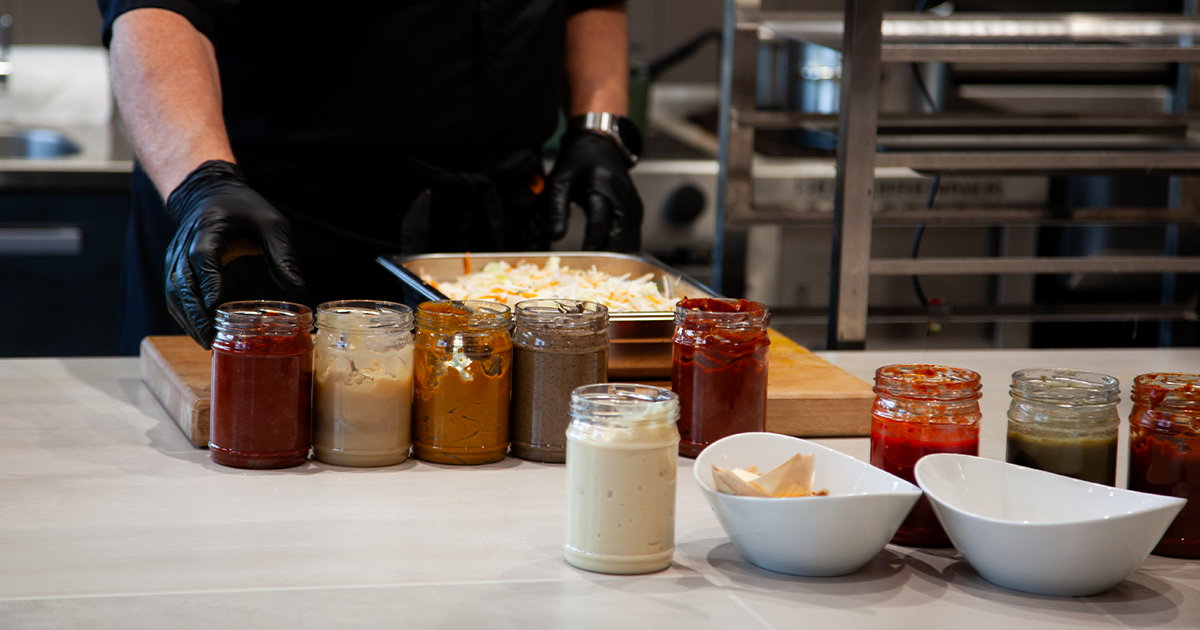
Pysy maun tasalla!
Fermented Spices: Technique and Science in the Kitchen
Fermentation, also known as culturing, is one of the oldest and most versatile methods for both preserving food and enhancing its flavor. The process relies on the activity of micro-organisms, particularly lactic acid bacteria, which break down the sugars, fibers, and proteins in the ingredients. At the same time, new compounds are released that alter the product’s taste, texture, and shelf life. Fermentation has been an integral part of food culture for thousands of years, and in recent years it has regained attention in both professional kitchens and experimental home cooking.
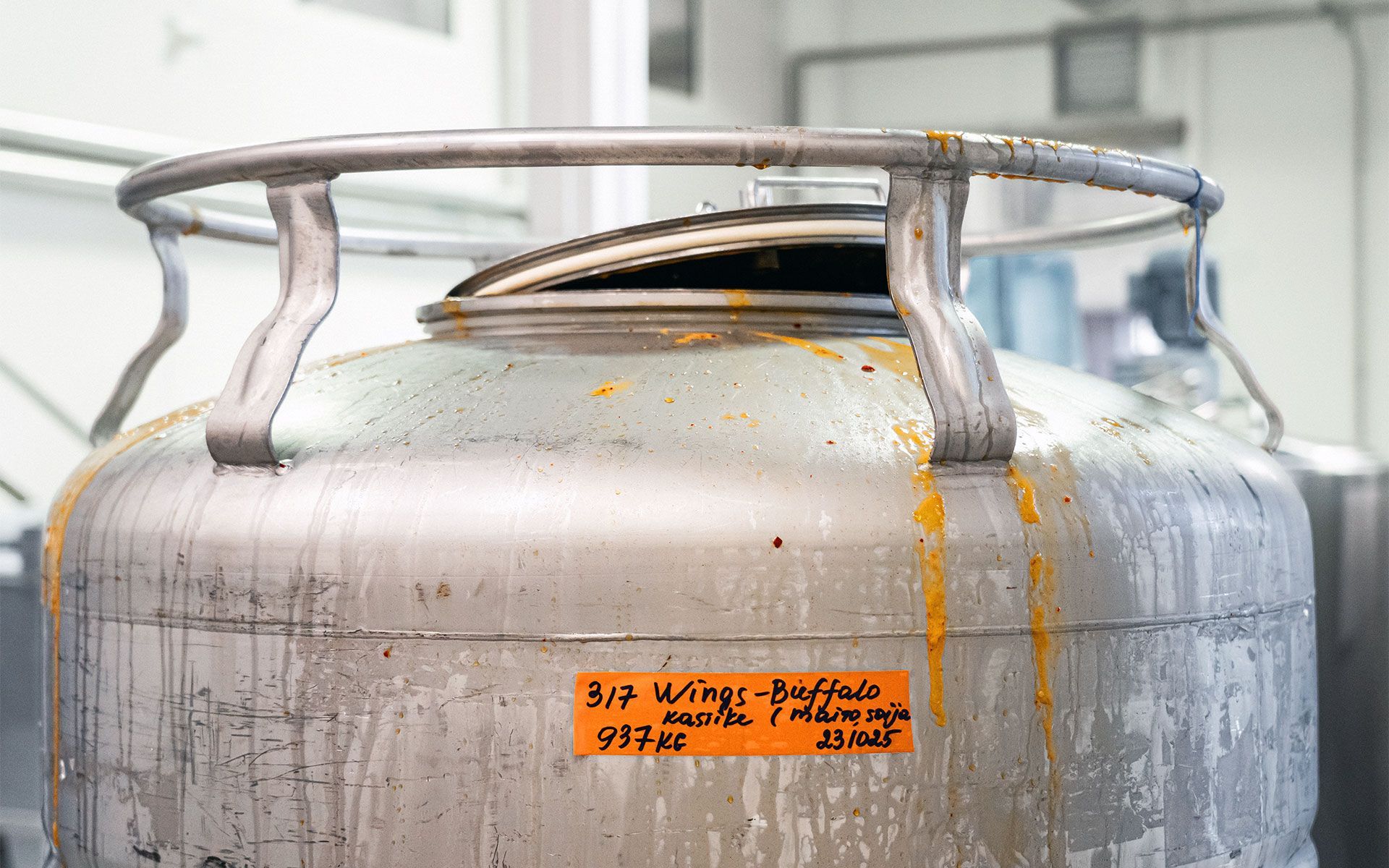
The Chemistry and Microbiology of Fermentation
During fermentation, for example, the sugars and other carbohydrates in vegetables are converted into lactic acid by lactic acid bacteria. This lowers the product’s pH, increasing acidity, which naturally inhibits the growth of harmful microbes and improves shelf life without artificial additives. At the same time, flavor compounds such as organic acids, esters, and alcohols are produced, adding new dimensions to the taste. Fermentation enhances umami, acidity, and the natural aroma of the ingredients.
Characteristics and Benefits of Fermented Spices
Fermented spices are ready-to-use, long-lasting, and develop over time. They add depth and complexity to ingredients. Familiar flavors gain new nuances, for example, the sharpness of garlic becomes sweeter and richer, the heat of chili is complemented by fruity and smoky notes, and the freshness of herbs matures into an earthier character.
Practical Benefits:
- Consistency: Flavor remains the same from batch to batch, making portion standardization and repeatability easier
- Versatility: Suitable for both hot and cold dishes, sauces, marinades, salads, and finishing touches
- Convenience: Ready-to-use and easy to portion, saving time and reducing waste
- Nutritional Value:
Fermentation creates new, easily absorbable nutrients and can enhance the probiotic qualities of the food
Examples of Fermented Spices and Uses
- Fermented Lemon: Adds depth and acidity to fish, vegetable dishes, or salad dressings
- Fermented Basil: Deeper herbal flavor, withstands heat, ideal for pastas, soups, and finishing pizzas
- Fermented Chili: Multidimensional heat, perfect in dipping sauces, marinades, or street food dishes
- Fermented Black Pepper: Aromatic and soft, works well in sauces and mashed potatoes
- Fermented Herbs: Natural flavor, especially suited for vegetable dishes, salads, and spreads
- Fermented Jalapeño: Fresh heat, great in Tex-Mex dishes, nachos, and sandwiches
- Fermented Garlic: Sweeter and umami-rich, perfect for sauces, pastas, and roasted dishes
Challenges and Opportunities in Fermentation
Maintaining strict hygiene and proper ratios is crucial to ensure that the desired microbes thrive and the end product is safe. In professional kitchens, fermentation allows the creation of new flavor profiles and adds distinction to menus. At home, it provides opportunities to experiment, reduce waste, and use ingredients in new ways. Fermented spices also help reduce food waste, as the process extends product shelf life and allows seasonal ingredients to be used year-round.
Fermented Spices in the Kitchen
Fermentation combines science and art, enabling the creation of new flavors and adding depth to dishes. Fermented spices offer professional kitchens consistency, convenience, and versatility, while enabling innovative flavor combinations. They elevate cooking to a new level, where tradition meets modern taste innovation.
Täällä jaamme tuoreimmat kuulumiset, kätevät vinkit, inspiroivat asiakastarinat ja muut herkulliset jutut suoraan meiltä sinulle. Kurkkaa kulissien taakse, nappaa ideoita omaan arkeesi ja tutustu ihmisiin sekä projekteihin atSaucen takana.